|
SUMMARY OF RESEARCH
Molecular basis of giant cell arteritis.
Our research line is focused on elucidating the molecular mechanisms involved in the development of giant cell arteritis. This autoimmune disease is characterized by the inflammation of medium and large-sized blood vessels. Accordingly, the clinical manifestations of this vasculitis include life-threatening complications, such as aortic dissection, aortic aneurysm, and irreversible blindness due to ischemia of the optic nerve.
The blood vessel wall represents an immune-privileged site and is, therefore, free of inflammatory cells. However, in giant cell arteritis, this immune privilege is lost and both innate and adaptive immune cells, mainly monocytes and CD4+ T lymphocytes, can gain access to the arterial wall, triggering an inflammatory process that leads to vessel occlusion.
Although the cause of this vasculitis is still unknown, giant cell arteritis has a complex etiology resulting from the interaction among environmental, genetic, and epigenetic factors. In recent years, our knowledge of the genetic landscape of this disorder has experienced a significant increase, mainly due to the development of large-scale genetic scans, including genome-wide association studies (GWAS) and Immunochip studies. However, the molecular pathways underlying its pathogenesis are still largely unknown.
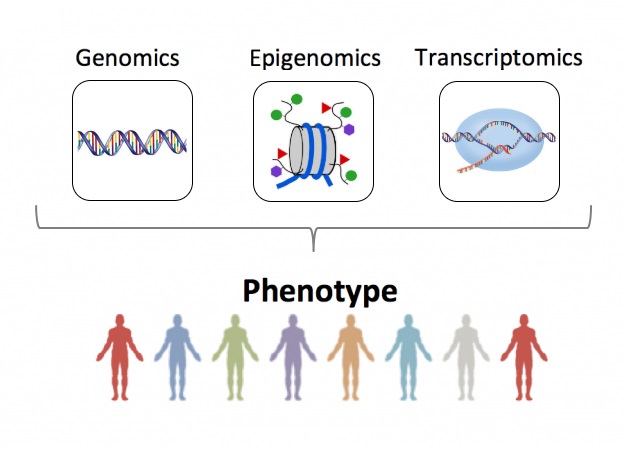
Currently, our research group is carrying out several studies focused on elucidating genetic and epigenetic contribution to the pathogenesis of giant cell arteritis, using genomic (GWAS), epigenomic (DNA methylation) and transcriptomic (RNA sequencing and single-cell RNA sequencing) approaches in relevant cell types for the disease. In addition, one of our main objectives is to perform an integrative analysis of the different -omic data in order to have a clearer picture of the molecular network that predisposes an individual to develop this vasculitis as well as to assign a functional role to non-coding genetic variation associated with giant cell arteritis.
FUNDING AGENCIES LAST 5 YEARS
|
|
- CARACTERIZACION DEL PERFIL EPIGENOMICO DE LA ARTERITIS DE CELULAS GIGANTES. PROYECTO, PN2022 - PROY I+D GENERACION CONOC. - PID, Ref: PID2022-136416OB-I00, (2023 - 2027).
|